Блог

  • BAM15 — новое слово в изучении митохондриальных разобщителей

    В последние годы всё большее внимание исследователей привлекают вещества, способные модулировать энергетический обмен клеток через воздействие на митохондрии — «электростанции» наших клеток. Одним из таких соединений является BAM15 (N,N-benzyl-3-(trifluoromethyl)benzamide), синтетическая малая молекула, демонстрирующая уникальные метаболические и защитные свойства. В отличие от классических разобщителей, таких как 2,4-динитрофенол (DNP), BAM15 сочетает высокую эффективность с значительно более низкой токсичностью, что делает его перспективным кандидатом для терапии ожирения, диабета 2 типа, жировой болезни печени и других заболеваний, связанных с нарушением энергетического гомеостаза.

    Химическое происхождение и структура

    BAM15 — это синтетическое органическое соединение, впервые описанное в 2019 году группой учёных под руководством доктора Марка Хопкинса (Johns Hopkins University) и сотрудников NIH. Молекула была создана в рамках рационального дизайна новых митохондриальных разобщителей, направленного на поиск безопасной альтернативы DNP — мощному, но крайне токсичному веществу, запрещённому в клинической практике с середины XX века.

    Химическая формула: C₁₉H₂₁F₃N₂O₂
    Молекулярная масса: ~354.4 г/моль
    Структурные особенности:
    — Ароматическое бензильное ядро
    — Трифторметильная группа (–CF₃), повышающая липофильность и метаболическую стабильность
    — Карбоксамидная связь, обеспечивающая селективность и устойчивость к деградации

    Эта структура позволяет BAM15 эффективно проникать через липидные мембраны, включая внутреннюю мембрану митохондрий, не нарушая при этом целостности плазматической мембраны клетки — ключевое преимущество перед DNP.

    Основные свойства BAM15

    1. Митохондриальный разобщитель
    BAM15 относится к классу протонных разобщителей. Его основное действие — нарушение сопряжения между электрон-транспортной цепью (ЭТЦ) и синтезом АТФ в митохондриях.

    2. Селективность к митохондриям
    В отличие от DNP, который свободно диффундирует через любые биологические мембраны, BAM15 проявляет избирательное действие на митохондрии. Он не вызывает деполяризацию плазматической мембраны, что снижает риск клеточной токсичности и нарушений ионного гомеостаза.

    3. Отсутствие гипертермии при терапевтических дозах
    Одним из самых опасных побочных эффектов DNP является неконтролируемое повышение температуры тела (гипертермия), которое может привести к летальному исходу. BAM15 не вызывает значимой гипертермии даже при дозах, эффективных для изменения метаболизма, благодаря более умеренному и контролируемому разобщению.

    4. Антиоксидантный эффект
    BAM15 снижает образование реактивных форм кислорода (ROS) в митохондриях. Это особенно важно при патологических состояниях, сопровождающихся окислительным стрессом (например, ишемия-реперфузия, нейродегенерация, старение).

    5. Метаболическая активность
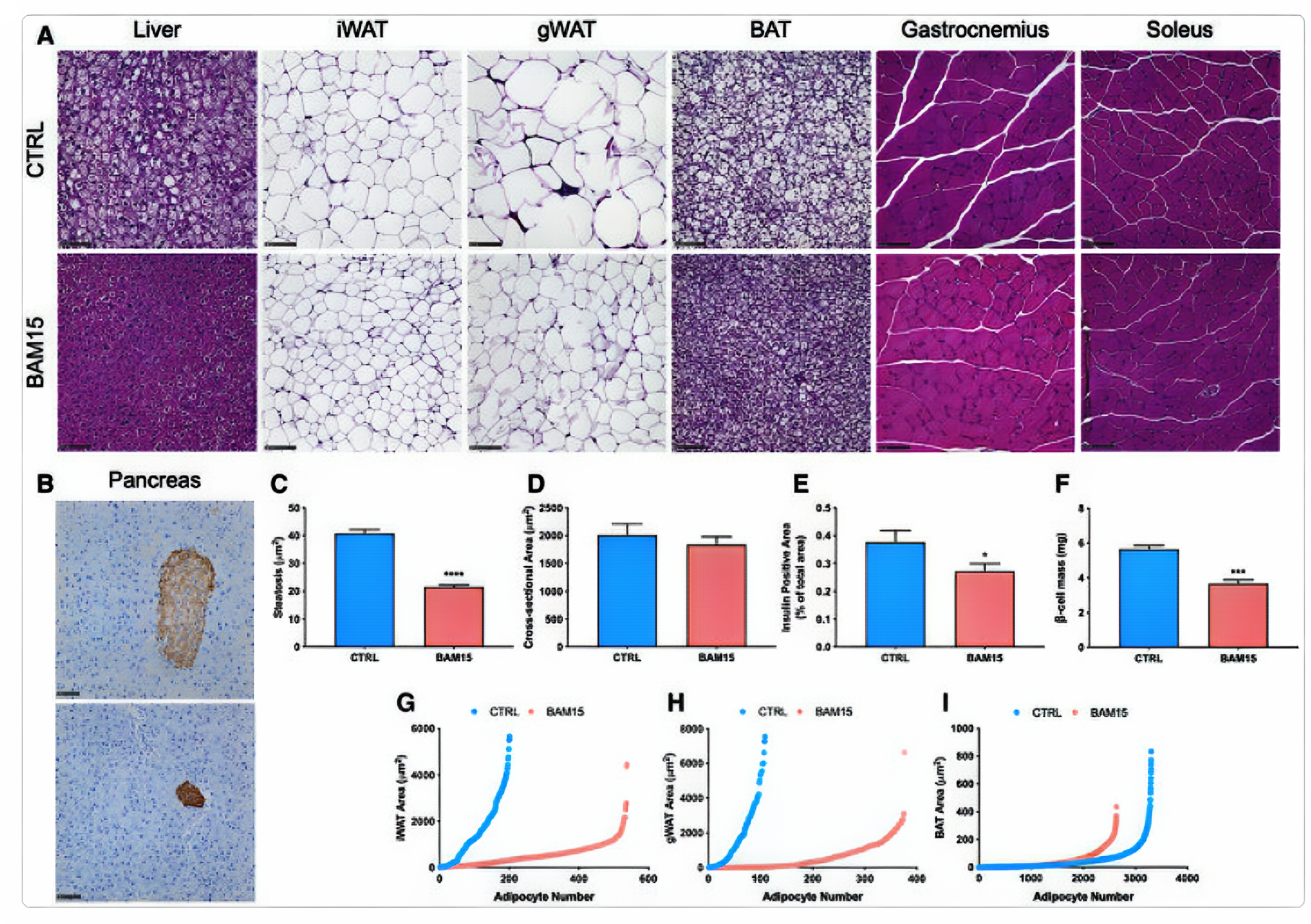
    Исследования на мышах показали, что BAM15:
    — Увеличивает расход энергии (термогенез)
    — Снижает накопление жировой массы даже на фоне высококалорийной диеты
    — Улучшает чувствительность к инсулину
    — Защищает печень от стеатоза (жирового перерождения)
    Механизм действия BAM15

    Как работает нормальное окислительное фосфорилирование?

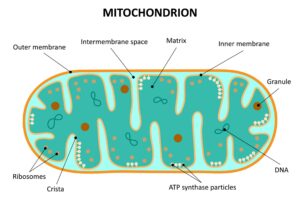
    В здоровых митохондриях электроны от NADH и FADH₂ передаются по цепи комплексов I–IV, что приводит к выбросу протонов (H⁺) из матрикса в межмембранное пространство. Это создаёт электрохимический градиент (протон-моторная сила), который затем используется АТФ-синтазой (комплекс V) для синтеза АТФ из АДФ и фосфата.

    Как BAM15 нарушает этот процесс?

    BAM15 действует как липофильный слабый основный разобщитель. Его механизм можно описать следующим образом:

    1. Проникновение в митохондрии: благодаря липофильности BAM15 легко проходит через внешнюю и внутреннюю мембраны митохондрий.
    2. Перенос протонов: в кислой среде межмембранного пространства BAM15 связывает протон (становится катионом), затем диффундирует обратно в матрикс, где отдаёт протон (возвращается в нейтральную форму).
    3. «Замыкание» градиента: этот цикл обходит АТФ-синтазу, позволяя протонам возвращаться в матрикс без синтеза АТФ.
    4. Рассеивание энергии: энергия, которая могла бы быть сохранена в виде АТФ, вместо этого выделяется в виде тепла (термогенез).
    5. Компенсаторное усиление дыхания: клетка пытается восполнить дефицит АТФ, увеличивая потребление кислорода и окисление субстратов (жиров, глюкозы).

    Важно: BAM15 не ингибирует дыхательную цепь — напротив, он стимулирует митохондриальное дыхание, что отличает его от ингибиторов (например, ротенона или антимицина A).

    Отличие от DNP

    Свойство DNP BAM15
    Проницаемость Через все мембраны Преимущественно митохондрии
    Гипертермия Выраженная, опасная Минимальная или отсутствует
    Влияние на плазм. мемб. Да (деполяризация) Нет
    ROS-продукция Может увеличивать Снижает
    Терапевтическое окно Очень узкое Шире

    Потенциальные терапевтические применения

    Хотя BAM15 пока не одобрен для применения у человека, доклинические данные открывают широкие перспективы:

    — Ожирение и метаболический синдром: за счёт увеличения расхода энергии и улучшения липидного обмена.
    — Сахарный диабет 2 типа: улучшение инсулинорезистентности.
    — Неалкогольная жировая болезнь печени (НАЖБП): снижение гепатостеатоза.
    — Ишемия-реперфузионное повреждение: защита сердца и мозга за счёт снижения ROS.
    — Нейродегенеративные заболевания: потенциальная роль в моделях болезней Паркинсона и Альцгеймера.
    — Продление здоровой продолжительности жизни: в экспериментах на модельных организмах разобщители продлевают жизнь.

    Текущий статус исследований (на начало 2026 года)

    — Все данные получены на клеточных культурах и мышиных моделях.
    — Токсикологические исследования продолжаются.
    — Человеческие испытания не проводились.
    — BAM15 доступен только для научных исследований.

    BAM15 представляет собой важный шаг вперёд в разработке безопасных митохондриальных модуляторов. Его способность стимулировать энергетический обмен, снижать окислительный стресс и улучшать метаболическое здоровье без серьёзных побочных эффектов делает его одним из самых многообещающих кандидатов в новом поколении «метаболических терапевтиков».

    Характеристика BAM15 DNP (2,4-динитрофенол) FCCP (Carbonyl cyanide-p-trifluoromethoxyphenylhydrazone) Niclosamide (Никлозамид)
    Тип соединения Синтетическая малая молекула (ароматический амид) Синтетический фенол Синтетический гидразон Противогельминтный препарат (салициланалид)
    Молекулярная масса ~354 г/моль 184 г/моль 317 г/моль 327 г/моль
    Механизм разобщения Перенос протонов через внутр. мембрану митохондрий То же То же То же (в кислой среде действует как слабая кислота)
    Селективность к митохондриям Высокая — не влияет на плазматическую мембрану Низкая — проникает через все мембраны Низкая — сильно деполяризует клеточные мембраны Умеренная — также влияет на лизосомы, Wnt-сигналинг
    Влияние на ROS Снижает митохондриальный ROS Может увеличивать ROS Часто увеличивает ROS Может снижать или увеличивать (зависит от контекста)
    Гипертермия Отсутствует или минимальна при эффективных дозах Выраженная, потенциально смертельная Вызывает значительное повышение температуры в клетках Не вызывает системной гипертермии
    Токсичность in vivo Низкая в терапевтическом диапазоне Очень высокая (летальная доза близка к терапевтической) Высокая — используется только in vitro Низкая (одобрен FDA для перорального применения)
    Биодоступность Хорошая (перорально активен у мышей) Высокая Плохая (нестабилен in vivo) Умеренная; плохо растворим, но активен in vivo
    Клиническое применение Только доклинические исследования Запрещён (использовался в 1930-х) Только in vitro / эксперименты Одобрен FDA как противоглистный препарат; изучается для онкологии, вирусных инфекций, метаболических заболеваний
    Дополнительные мишени В основном — митохондрии Неспецифичен Неспецифичен Ингибирует Wnt/β-catenin, mTOR, Notch, STAT3, SARS-CoV-2 репликацию
    Перспективы для терапии ожирения/диабета Высокие (улучшает инсулинорезистентность, снижает жировую массу) Исторически эффективен, но неприемлемо токсичен Не применим in vivo Умеренные — изучается, но менее эффективен как разобщитель
  • Молекулярная фабрика внутри нас — митохондрии

    Когда вы чувствуете усталость или, наоборот, прилив энергии, помните: внутри каждой вашей клетки работает невероятная молекулярная фабрика. Ее существование — одна из величайших загадок биологии. Мы называем эти фабрики «энергостанциями» или «силовыми домами» клетки — митохондриями. Но сравнение с батарейкой скрывает куда более удивительную и сложную реальность. Это высокотехнологичный завод с полным производственным циклом, чье происхождение ставит перед наукой вопросы, бросающие вызов нашим представлениям об эволюции.

    Элегантная теория: случай, ставший судьбой

    Главная гипотеза о происхождении митохондрий красива и логична. Это теория эндосимбиоза. Согласно ей, около 1.5-2 миллиардов лет назад предок современных эукариотических клеток (архея) поглотил, но не переварил альфа-протеобактерию. Вместо уничтожения между ними установились взаимовыгодные, симбиотические отношения: бактерия, умевшая эффективно использовать кислород (который был ядом для многих древних организмов), стала поставлять энергию, а клетка-хозяин обеспечивала ей защиту и питание.

    В пользу этой теории говорят убедительные аргументы:

    1. Собственный геном: Митохондрии имеют свою ДНК, и она не линейная, как в ядре клетки, а кольцевая — точно такая же, как у бактерий.

    2. Собственные рибосомы: Их рибосомы по структуре и размеру близки к бактериальным и чувствительны к тем же антибиотикам.

    3. Двойная мембрана: Предполагается, что внешняя мембрана — это «объятие» клетки-хозяина, а внутренняя — бывшая бактериальная мембрана.

    4. Самостоятельное деление: Митохондрии размножаются независимо, путем простого деления (бинарного деления), подобно бактериям.

    Теория кажется стройной, но за этой кажущейся простотой скрывается лабиринт нерешенных проблем. Чтобы их увидеть, нужно сначала понять, как устроена и работает эта «фабрика».

    Экскурсия на завод: конвейер по производству энергии

    Процесс, который обеспечивает нас энергией, называется клеточным дыханием. Его конечный продукт — молекулы АТФ (аденозинтрифосфат), универсальная энергетическая «валюта» клетки. Производство проходит несколько цехов.

    1. Цех предварительной подготовки: гликолиз. Все начинается не в митохондрии, а в цитоплазме клетки. Здесь молекула глюкозы расщепляется на две молекулы пирувата с чистой «прибылью» в 2 молекулы АТФ.
      Глюкоза + 2НАД+ + 2АДФ + 2Pi → 2 пируват + 2НАД*H + 2Н+ + 2АТФ + 2Н2O

    2. Сборочная линия: цикл Кребса (цикл трикарбоновых кислот). Пируват поступает в внутреннее пространство митохондрии — матрикс. Здесь он проходит через серию реакций, в результате которых выделяется CO₂ и, что самое важное, создаются переносчики высокоэнергетических электронов (НАДН и ФАДН₂). Непосредственно здесь производится еще немного АТФ, но главный продукт — это «заряженные батареи» электронов.

    3. Энергетическое сердце завода: дыхательная электрон-транспортная цепь (ДЭТЦ). Внутренняя мембрана митохондрии усеяна кристами — складками, увеличивающими ее площадь. На них, как на конвейере, расположены четыре сложнейших белковых комплекса (I-IV). Переносчики отдают им электроны.

      Начинается фантастическое шоу: электроны «скатываются» по ступеням этой цепи, как по лестнице. При каждом переходе выделяется энергия, которую комплексы используют как протонные насосы. Они перекачивают протоны (ионы H⁺) из матрикса в межмембранное пространство. Создается мощный электрохимический градиент: с одной стороны мембраны протонов мало, с другой — целое «море». Это огромный запас потенциальной энергии, подобный воде, удерживаемой плотиной.

    4. Турбинный зал: АТФ-синтаза. Это кульминация. АТФ-синтаза — сложнейшая молекулярная машина-наноробот. Когда градиент протонов достигает критической величины, они устремляются обратно в матрикс через специальный канал в АТФ-синтазе. Этот поток протонов заставляет центральную часть комплекса (ротор) вращаться со скоростью до 200 оборотов в секунду. Механическая энергия вращения используется для «сборки» молекул АТФ из АДФ (аденозиндифосфата) и фосфата.

      Масштабы производства ошеломляют: каждая АТФ-синтаза производит до 600 молекул АТФ в секунду. В энергоемких клетках (например, мышечных) — тысячи митохондрий, каждая из которых содержит десятки тысяч АТФ-синтаз. В целом организм человека ежедневно синтезирует и расходует количество АТФ, сопоставимое с его собственным весом — около 50-70 кг.

    Четыре неприступные стены теории эндосимбиоза

    Именно наблюдая эту безупречную сложность, мы возвращаемся к теории симбиоза и сталкиваемся с фундаментальными проблемами, которые пока не имеют детального пошагового объяснения в рамках эволюционной модели.

    1. Стена первая: Невозможное начало.
    Как бактерия проникла в клетку, не будучи уничтоженной? Клетка — не гостеприимный отель, а крепость с системой защиты. Любой чужеродный объект, как правило, заключают в пузырь-фагосому и переваривают. Теория предполагает цепочку маловероятных событий: бактерия не только избежала гибели, но и мгновенно стала полезной, а клетка — перестала видеть в ней угрозу.

    2. Стена вторая: Генетическая интеграция и «проблема курца и яйца».
    Современные митохондрии — не самостоятельны. Более 99% белков, необходимых для их работы (включая компоненты ДЭТЦ и самой АТФ-синтазы), кодируются в ядре клетки, синтезируются в цитоплазме и должны быть доставлены обратно в митохондрию.
    Для этого существует сложнейшая логистическая система:

    • Белок получает специальную сигнальную последовательность (почтовый индекс).

    • Транспортные белки узнают этот индекс.

    • На внешней и внутренней мембранах митохондрии существуют специальные белковые комплексы-транслокаторы, которые узнают сигнал и пропускают белок внутрь.

    • Внутри другие белки его активируют и «собирают» в рабочую форму.

    Вопрос: как эта система возникла поэтапно? Если критически важный ген митохондрии переместился в ядро, но системы доставки его белка обратно еще не существовало — митохондрия выйдет из строя, и клетка погибнет. Все компоненты логистической цепочки должны появиться скоординированно и одновременно.

    3. Стена третья: Загадка двойной мембраны.
    Двойная мембрана — ключевой аргумент симбиоза. Но ее интеграция — инженерный парадокс.

    • Внешняя мембрана пористая и пропускает многие вещества из цитоплазмы.

    • Внутренняя мембрана, напротив, почти герметична. Ее непроницаемость — обязательное условие для создания протонного градиента. Она на 80% состоит из белков (комплексы ДЭТЦ, АТФ-синтаза, транспортные системы) и содержит уникальный фосфолипид кардиолипин.
      Как две радикально разные структуры — одна «гостеприимная» (хозяина), другая «закрытая» (бактерии) — научились идеально взаимодействовать? Как они согласовали поставку и прием сотен специфических белков?

    4. Стена четвертая: Парадокс необратимой зависимости.
    Современные бактерии — самодостаточные автономии. Митохондрия же в высшей степени зависима от клетки. Она утратила независимость, передав большинство своих функций в ядро. Этот процесс предполагает масштабный горизонтальный перенос генов, который, в отличие от известного науке обмена небольшими фрагментами у бактерий, должен был быть точечным, массовым и безупречно встроенным в геном хозяина без фатальных ошибок.

  • Understanding the size parameters of peptides and amino acids

    Understanding the size parameters of peptides and amino acids

    Amino Acid Size

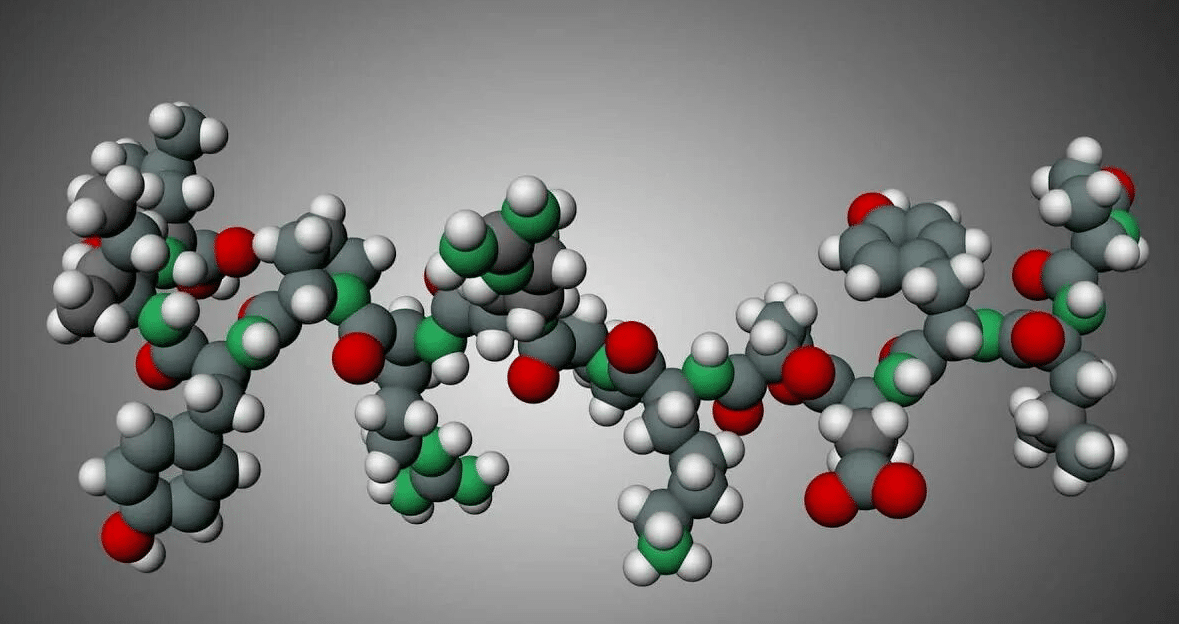
    The average molecular weight (based on the weight of a hydrogen atom equal to 1) of each amino acid is approximately 100 to 125 daltons.

    Peptide Size

    The size of the peptide plays an important role in its ability to penetrate the skin. In general, peptides up to 500 daltons (Da)in size they can penetrate the upper layers of the skin, such as the epidermis.

    However, for the peptide to enter the deeper layers of the dermis or the bloodstream, it must be small enough and sufficiently lipophilic (i.e., fat-soluble).

      • Molecules up to 500 daltons in size often penetrate the top layer of the skin (the stratum corneum of the epidermis), but their penetration into the dermis is limited.
      • Peptides with a molecular weight greater than 1000 daltons (for example, larger peptides or proteins) often do not penetrate deep into the skin and remain in the upper layers of the epidermis, not reaching the dermis.

    Thus, peptides up to 500 Da in size can penetrate the skin and have effects such as moisturizing, stimulating collagen synthesis, and other cosmetic or therapeutic effects. Peptides of a larger mass are likely to remain on the surface or in the upper layers of the epidermis.

    Protein sizes

    Proteins are polymer molecules in which amino acids serve as monomers. In the composition of proteins in the human body, only 20 alpha-amino acids are found. The same amino acids are present in proteins with different structures and functions. The individuality of protein molecules is determined by the sequence of amino acids in the protein.

    Amino acids are organic acids that contain one or more amino groups.

    All alpha-amino acids, except for aminoacetic acid (glycine), have an asymmetric a-carbon atom and exist as two enantiomers.Almost all proteins are made up of 20 α-amino acids belonging to the K-series, with the exception of glycine.

    Amino Acid Size

    The average molecular weight (based on the weight of a hydrogen atom equal to 1) of each amino acid is approximately 100 to 125 daltons.

    Peptide Size

    The size of the peptide plays an important role in its ability to penetrate the skin. In general, peptides up to 500 daltons (Da)in size they can penetrate the upper layers of the skin, such as the epidermis.

    However, for the peptide to enter the deeper layers of the dermis or the bloodstream, it must be small enough and sufficiently lipophilic (i.e., fat-soluble).

      • Molecules up to 500 daltons in size often penetrate the top layer of the skin (the stratum corneum of the epidermis), but their penetration into the dermis is limited.
      • Peptides with a molecular weight greater than 1000 daltons (for example, larger peptides or proteins) often do not penetrate deep into the skin and remain in the upper layers of the epidermis, not reaching the dermis.

    Thus, peptides up to 500 Da in size can penetrate the skin and have effects such as moisturizing, stimulating collagen synthesis, and other cosmetic or therapeutic effects. Peptides of a larger mass are likely to remain on the surface or in the upper layers of the epidermis.

    Protein sizes

    Proteins are polymer molecules in which amino acids serve as monomers. In the composition of proteins in the human body, only 20 alpha-amino acids are found. The same amino acids are present in proteins with different structures and functions. The individuality of protein molecules is determined by the sequence of amino acids in the protein.

    Amino acids are organic acids that contain one or more amino groups.

    All alpha-amino acids, except for aminoacetic acid (glycine), have an asymmetric a-carbon atom and exist as two enantiomers.Almost all proteins are made up of 20 α-amino acids belonging to the K-series, with the exception of glycine.

  • проверка

  • What are nootropic peptides and how do they work?

    What are nootropic peptides and how do they work?

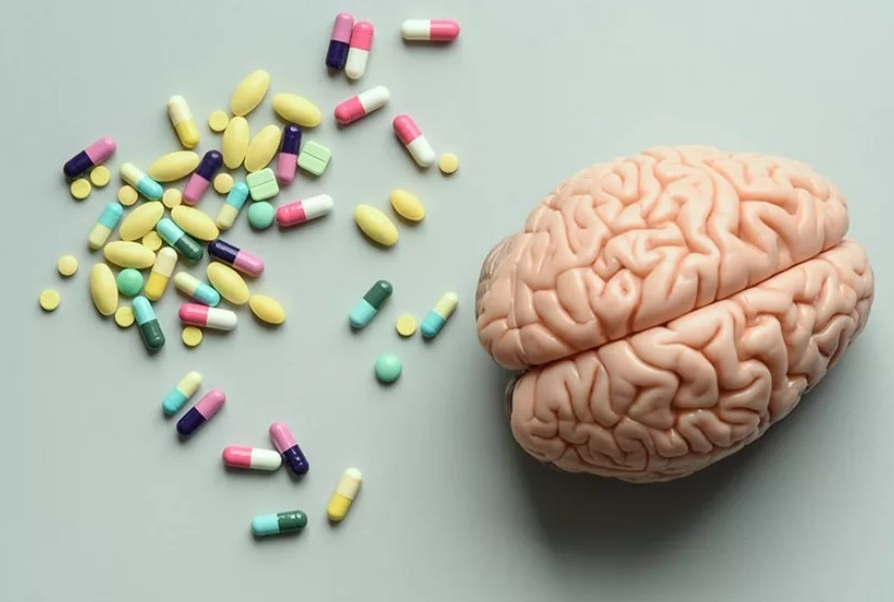
    The brain is the most complex and resource-intensive organ. But what if it can be ‘upgraded’: make it work faster, remember more, do not get tired under the load and always keep motivated? Caffeine and pharmaceutical stimulants are being replaced by a new generation of smart substances — nootropic peptides. These are not just stimulants, they are ‘instructions’ for brain cells that can speed up learning, restore nerve tissue and restore sharpness of mind. How do they work and how to choose your ‘key’ to cognitive superpowers?

    What are nootropic peptides and how do they work?

    Nootropics (from the Greek. ‘noos’ — thinking and ‘tropos’ — direction) are substances that improve higher mental functions: memory, learning, concentration and resistance to stress.

    Unlike classical stimulants (caffeine, modafinil), which roughly ‘spur’ the nervous system, peptides act pointwise and physiologically. These are short chains of amino acids that:

    • They are growth factors. They stimulate the growth of new neurons (neurogenesis) and the formation of connections between them (synapses), literally rejuvenating and restoring the brain.
    • Improve neuroplasticity. This is the brain’s ability to readjust, which is critical for learning and adaptation.
    • Regulate neurotransmitters. Gradually increase the level of dopamine, serotonin and acetylcholine, which are responsible for motivation, mood and speed of thinking.
    • They protect neurons. They have a neuroprotective effect, protecting brain cells from damage, aging and toxins.

    Opportunities Gallery: An overview of key Nootropic peptides

    Each peptide solves its own range of tasks. The right choice depends on your goals.

    1. For memory, learning and brain recovery: Peptides-neuroregenerators

    • P21 (Cerebrolysin) — ‘Builder’ for the brain.
      • How it works: It is a powerful memitic agent of CNTP (ciliary neurotrophic factor), one of the main factors of neuronal growth. It not only temporarily improves function, but also actively repairs damaged nerve cells and stimulates the growth of new ones.
      • Effects: Significant improvement in long-term memory and learning ability. Recovery from strokes, traumatic brain injuries, inhibition of neurodegenerative processes (Alzheimer’s disease). In a healthy brain, it gives ‘clarity of mind’ and increased resistance to mental overload.
      • Nuance: The effect is cumulative and long-term. This is not a stimulant, but a repair team for your central nervous system.
    • Semax — ‘Guide’ and accelerator.
      • How it works: Synthetic analog of the ACTH hormone fragment. It has no hormonal activity, but it perfectly penetrates the brain and protects neurons from damage.
      • Effects: Speed up information processing, improve concentration and short-term memory. Increases the brain’s resistance to stress and hypoxia (lack of oxygen).
      • Nuance: The effect is felt quickly, as early as 15-20 minutes after intranasal administration.

    2. For motivation, energy and antidepressant effect: Peptides-mood regulators

    • PE-22-28 — ‘Psychotherapist’ in peptide form.
      • How it works: A unique peptide that acts on the brain’s reward system, gently and steadily increasing the level of dopamine, serotonin and norepinephrine.
      • Effects: Pronounced antidepressant effect without the side effects of traditional antidepressants (does not cause apathy, drowsiness or decreased libido). Returns motivation, interest in life, a sense of ‘inner core’ and satisfaction.
      • Nuance: This is not a stimulant, but rather a’ normalizer ‘ of mood. It removes dullness and apathy, restoring natural joy and purposefulness.
    • Adamax (improved Semax) — ‘Energy and Focus’.
      • How it works: A modified version of Semax with the addition of an admantane group, which improves penetration into the brain and prolongs the action.
      • Effects: More powerful and prolonged effect than Semax. It provides pure energy, concentration, sharpened attention and a slight increase in libido due to the effect on the melanocortin system.
      • Nuance: Ideal for periods that require maximum mental performance and concentration (deadlines, complex projects, exams).

    3. For complex health improvement and neuroprotection: Multifunctional peptides

    • Ipamorelin / ARE-290 — ‘Universal defenders’.
      • How it works: These peptides are mimetics of erythropoietin, but without its main effect — stimulating the production of red blood cells (erythropoiesis). Their action is focused on receptors in other tissues.
      • Effects:
        • Removal of neuroinflammation: Chronic inflammation in the brain is one of the causes of head fog and fatigue.
        • Improved insulin sensitivity: This has a positive effect on the energy supply of neurons.
        • Acceleration of nerve regeneration: Helps with damage to the peripheral nervous system.
        • Analgesic effect.
      • Nuance: The effect does not appear immediately, but as it accumulates. This is a background support and recovery of the entire nervous system.

    Hidden nuances and selection strategy

    • The introduction path solves everything. Most peptides for cognitive purposes are used in the form of intranasal sprays. , which is the fastest and most effective way to deliver the substance directly to the brain, bypassing the systemic circulation. Injectable forms are more suitable for systemic, general health effects.
    • Search for your ‘key’. The response to peptides, especially those affecting the melanocortin system (Adamax, PT-141), is very individual due to genetic characteristics. What causes a surge of motivation in one person may not have a noticeable effect on the other. Individual selection is required.
    • Combinations instead of monopreparations. Peptides are often combined for a synergistic effect. The classic bundle- P21 + Adamax. The first deals with long-term ‘repair’ and improvement of memory, the second-gives an immediate increase in energy and focus. ‘Gas and Brake’ together create the perfect platform for productive work.
    • These are not ‘mind pills’. Nootropic peptides unlock your brain’s potential, but they are no substitute for sleep, healthy eating, and constant learning. They create favorable conditions, but you should fill your brain with knowledge and experience yourself.

    Here are less popular nootropic peptides

    1. Noopept (Noopept)

    • Mechanism: A synthetic peptide similar to piracetam, but with its own unique mechanism. It stimulates the synthesis of cyclic AMP (cAMP) and BDNF (brain-derived neurotrophic factor) and improves the fluidity of neuronal membranes.
    • Effects: Improved learning and memory (both short-term and long-term), pronounced anti-anxiety effect, increased brain resistance to hypoxia and toxins. Gives ‘mental clarity’ without stimulation.

    2. Selank

    • Mechanism: Synthetic peptide derived from taftsin. It inhibits enzymes that break down enkephalins and endorphins (‘joy hormones’), and modulates the GABA-ergic system.
    • Effects: Strong anti-anxiety and anti-depressive effects, improved memory and learning ability, increased resistance to emotional and physical stress. It is often used to relieve panic attacks and social anxiety.

    3. Dimethylaminoethanol (DMAE)

    • Mechanism: A precursor to choline, it increases levels of acetylcholine — a key neurotransmitter for memory, learning, and concentration.
    • Effects: Improve cognitive functions, improve the tone of the central nervous system, improve mood and sleep quality. Also known as mild-a stimulator that promotes ‘focus’.

    4. Пи-21 (Piracetam-21)

    • Mechanism: An advanced Piracetam analog developed for higher bioavailability and efficacy. Improves brain glucose metabolism and synaptic transmission.
    • Effects: Improve verbal and logical memory, increase neuroplasticity, and protect neurons from aging. It is considered a more powerful and’ pure ‘ version of the classic nootropic.

    5. Nazefilin (N-Acetyl Semax Amidate)

    • Mechanism: An even more advanced version of Semax. Acetylation and amidation increase the stability of the molecule and its ability to cross the blood-brain barrier.
    • Effects: It is considered the most powerful derivative of Semax. Provides extremely rapid and pronounced improvements in cognitive function, focus, and energy. The effect is more pronounced and prolonged than that of Adamax.

    6. Cerebrolysin (already mentioned as P21, but deserves a separate point as a complex)

    • Mechanism: A complex peptide preparation derived from the brain of pigs. It contains low-molecular-weight neuropeptides and amino acids that penetrate the BBB and have a multimodal effect.
    • Effects: Powerful neuroprotective and neurotrophic effect. Accelerates recovery from strokes and injuries, improves cognitive functions in neurodegenerative diseases. In a healthy brain, it can significantly increase stress resistance and mental performance. Note: Often used in an injectable form.

    7. Luteinizing hormone (LH) and its fragments

    • Mechanism: Some studies suggest that certain fragments of LH may have a positive effect on cognitive function, possibly through interaction with receptors in the hippocampus.
    • Effects: The potential effects of improving memory and neurogenesis are being studied, but the evidence base is less extensive than that of other peptides on this list.

    8. Oxytocin Fragments

    • Mechanism: Synthetic analogues of oxytocin ,the ‘trust and attachment hormone’.
    • Effects: When administered intranasally, they can improve social cognition, recognize emotions, and reduce anxiety in social situations. Their impact on empathy and trust is studied.

    Of course! There is a whole world of less well-known, but no less interesting nootropic peptides that are being researched in scientific circles and used in biohacking communities. Many of them have very specific and narrowly focused mechanisms of action.

    Here is a list of such little-known peptides-nootropics:


    And very little known as nootropic peptides

    1. Epithalon (Epiphamine)

    • Mechanism: Synthetic tetrapeptide, an analog of epiphysis (pineal gland) hormone-epiphysarin. Normalizes the production of melatonin and cortisol, restores circadian rhythms.
    • Effects: The main effect is a powerful anti-age effect. It is believed that it ‘rejuvenates’ the epiphysis, which leads to normalization of sleep, improvement of the hormonal background, strengthening of immunity and, as a result, to improvement of cognitive functions and memory in old age. It is not a stimulant, but works through deep restoration of regulatory systems.

    2. GHRP-6 and other ghrelin compounds

    • Mechanism: Although they are primarily growth hormone releasers, they have an interesting nootropic effect. They stimulate ghrelin receptors in the hippocampus — an area of the brain critical for memory and learning.
    • Effects: In addition to the somatotropic effect, there is an improvement in spatial memory and learningability, as well as a decrease in anxiety. The effect is indirect, but noticeable.

    3. L-Carnosine Dipeptide

    • Mechanism: L-carnosine itself is known as an antioxidant, but its dipeptide form is more stable and bioavailable. Protects the brain from glycation and oxidative stress.
    • Effects: Protecting against neurodegeneration, improving mitochondrial function in neurons, and supporting long-term cognitive health.

    4. НАП-2 (Activity-Dependent Neuroprotective Protein)

    • Mechanism: A fragment of the larger ADNP protein, which is one of the most important factors in neuroprotection. Critical for brain development and cognitive function.
    • Effects: It is being studied for the treatment of disorders such as autism and schizophrenia. One of the most advanced and ‘futuristic’ peptides can potentially enhance synaptic plasticity and cognitive flexibility in healthy people. .

    5. Dalargin

    • Mechanism: Synthetic analog of enkephalins (brain opioid peptides). It is not addictive like classic opioids, but modulates opioid receptors.
    • Effects: Strong anti-stress and anti-anxiety effect, improved resistance to emotional stress. It can improve sleep and overall nervous system health.

    6. Delta [Glu]peptide₂ — ₂[Lys]

    • Mechanism: A synthetic peptide with a unique mechanism that affects ion channels and increases the survival rate of neurons under stress.
    • Effects: Increased brain resistance to ischemia and hypoxia (lack of oxygen). It is being studied as a powerful tool for stroke prevention. For healthy people, it can mean increased resistance to mental overwork.

    7. Bioregulatory peptides of the cerebral cortex (for example, Cortexin)

    • Mechanism: A complex of polypeptides derived from animal brains. They have a multifunctional effect: nootropic, neuroprotective, antioxidant.
    • Effects: Improvement of higher brain functions (memory, attention, learning), increasing the brain’s resistance to damaging effects. It is widely used in neurology in the CIS countries, but is little known in the West. Note: Often in an injectable form.

    8. TANK (Bromo-Acetyl-Carnitine)

    • Mechanism: A modified form of acetyl-L-carnitine, which increases the synthesis of acetylcholine and stimulates the growth of nerve endings.
    • Effects: More powerful effects on memory and cognitive functionsthan the standard ALCAR. It can be especially useful for age-related cognitive decline.

    9. Cerebrolysin polypeptides

    • Mechanism: Although cerebrolysin itself is known, its effect is associated with specific low-molecular-weight peptides (less than 10 kDa) that cross the BBB and act as signaling molecules for the growth and survival of neurons.
    • Effects: Direct ‘delivery of instructions’ for neurons, causing them to grow and form new connections. This is one of the most powerful neuroregenerators in existence.

    Important warnings:

    1. Experimental status. Many of these peptides have a weak evidence base for use in healthy people and are at the stage of basic research.
    2. Individual response. The effects can vary greatly and be unpredictable.
    3. Source and purity. The purchase of such rare peptides is associated with a high risk of obtaining a low-quality or contaminated product.

    These substances represent the ‘cutting edge’ of neuropeptide research and have not yet become mainstream due to the complexity of production, narrow application, or lack of large clinical trials.

  • Hunger management: from stimulants to sophisticated peptides

    Hunger management: from stimulants to sophisticated peptides

    In the pursuit of the perfect body, appetite control remains a cornerstone. Fighting hunger is the most difficult stage for anyone who has been on a diet. Appetite blockers come to the rescue, but what is hidden behind this name? How did they evolve from dangerous stimulants to ‘smart’ peptides that trick the brain? Let’s look at the mechanisms, generations, and hidden risks of these powerful drugs.

    Not all blockers are the same: 3 strategies to fight hunger

    Before we talk about specific substances, it is important to understand how you can affect your appetite in general.

    1. Mechanical filling. The simplest and oldest way. This includes eating plenty of fiber, bran, or just plain water. The stomach fills up, its walls stretch, and a signal is sent to the brain: ‘I’m full.’ The effect is short-lived and not always effective.
    2. Central exposure (via the central nervous system). A more powerful, but also riskier path. Substances of this group directly affect neurotransmitters in the brain, which are responsible for the feeling of hunger and satiety. These historically include:
      • Amphetamines and Ephedrine: Dramatically increase the level of dopamine and norepinephrine. The result is euphoria, a surge of energy, and a complete loss of appetite. The price is a huge load on the cardiovascular and nervous systems, irritability, tremor, a high risk of addiction and mental disorders.
      • Sibutramine: Blocks the reuptake of serotonin and norepinephrine. This creates a persistent feeling of fullness. However, its side effects (tachycardia, increased blood pressure, irritability) led to the drug’s ban in most countries.
    3. Hormonal effects (peptide agonists). The most modern and physiological approach. These drugs do not’ break ‘the system, but’ deceive ‘ it, imitating the effect of natural satiety hormones that are released after eating.

    Revolution: Peptide agonists or ‘Satiety Hormones’ in the syringe

    This is the gold standard of modern pharmacology for weight control. Their work is based on the simulation of incretins — hormones of the gastrointestinal tract.

    How does it work?
    When you eat, your gut releases several hormones, including GLP-1 (glucagon-like peptide-1) and GIP (glucose-dependent insulinotropic polypeptide). They perform several tasks:

    • They send a signal to the brain (in the hypothalamus) about saturation.
    • Slow down the emptying of the stomach, prolonging the feeling of satiety.
    • They stimulate the production of insulin in response to food intake.

    Peptide agonists are synthetic analogues of these hormones that are resistant to rapid degradation and work for a long time.

    Generations of ‘smart’ appetite blockers

    Generation 1: GLP-1 agonists (Liraglutide, Semaglutide-Azempic)

    • Operating principle: They selectively ‘sit’ on GLP-1 receptors in the small intestine.
    • Advantages: Effectively suppress appetite, promote weight loss, improve insulin sensitivity.
    • Cons and hidden nuances:
      • Signal imbalance. There are also receptors in other parts of the intestine. When the signal comes from only one part of the brain, but not from others, the brain receives conflicting information. This leads to neurological side effects: nausea, irritability, ‘alarm’ in the body.
      • Digestive problems. Greatly slows down the motility of the gastrointestinal tract. Meat and solid food are digested for a very long time, causing a ‘brick’ feeling in the stomach. Constipation occurs, and stagnation can form in the biliary system.

    Generation 2: Dual Agonists (Tirzepatide-Munjaro)

    • Operating principle: They activate two types of receptors at once — GLP-1 and GIP.
    • Advantages: A more physiological effect, as the natural work of two hormones is imitated. This results in stronger and more comfortable appetite suppression, fewer side effects, and better weight loss results.
    • An important caveat: Munjaro is not just a’ stronger ‘ Azempik. The . old medical tactic of ‘start with Azempic, and when it stops working, switch to Munjaro’ is incorrect. It is more logical to immediately use a more balanced drug.

    Generation 3: Triple Agonists (Retatrutide)

    • Operating principle: Three receptors are involved-GLP-1, GIP and glucagon. Glucagon is traditionally considered a blood sugar-boosting hormone, but in this bundle it enhances metabolic effects and thermogenesis.
    • Advantages: To date, this is the most physiological and promising option. It provides mild but very effective appetite suppression without sudden food withdrawal, while demonstrating better performance in improving insulin sensitivity.

    Hidden risks and what they don’t say in advertising

    1. Azempic-face and sarcopenia. The biggest danger. Drugs do not have the magical ability to burn only fat. On a caloric deficit, the body looks for light energy. And if you don’t consume enough protein, that energy becomes amino acids from your muscles. The result — loss of muscle mass, sagging skin, flabbiness of the face (‘azempik-face’), loss of strength. Solution: Increase protein intake to 2 g per kg of dry weight, use liquid amino acids and proteins that are easier to digest.
    2. Formation of antibodies. Peptides are proteins that are foreign to the body. Over time, the immune system begins to produce antibodies against them. This leads to tolerance: the dose stops working, and it has to be increased. After a few months at the maximum dose, the effectiveness may disappear. .: Use a course scheme (for example, 3 months of admission / 3 months of break) to allow the body to clear itself of antibodies.
    3. Psychological dependence. A person gets used to the fact that you can do nothing and not want to eat. After discontinuation of the drug, if the correct eating habits are not formed, the appetite returns with a vengeance, and all the weight is gained back. .: Use the drug as a ‘crutch’ for the duration of active weight loss, while radically changing your diet and lifestyle.
    4. Lack of vitamins and trace elements. Against the background of reduced appetite and difficult digestion, people begin to eat less not only high-calorie, but also healthy food. There are deficiencies of B vitamins, iron, which leads to hair loss, deterioration of the skin and nails. .: Mandatory intake of vitamin and mineral complexes, especially group B.

    Application tactics: How to use wisely

    • Don’t chase after speed. Rapid weight loss (more than 4-5 kg per month) is always a disaster for the metabolism and appearance. Tune in for a slow but stable result.
    • Start with minimal doses. For sports purposes and comfortable diet compliance, doses 2-3 times lower than the starting ones indicated in the instructions for the treatment of obesity are often sufficient.
    • Combine with enzymes and choleretics. To improve digestion, use pancreatic enzymes (such as Creon). Ursosan may be useful for preventing bile congestion.
    • Analyze combinations. Do not mix drugs that affect the central nervous system (for example, Tesofensin) with antidepressants — this can lead to dangerous serotonin syndrome.

    Of course, here’s a separate paragraph about microdosing for athletes:

    Separately, it is worth highlighting the strategy of using microdoses of peptides, which is popular among athletes. Unlike the clinical approach, where the goal is maximum appetite suppression, here the task is different: not to kill the feeling of hunger completely, but only to dull it, making compliance with a strict diet psychologically comfortable..

    Athletes use doses that may be 2-3 times lower than the official starting dose — for example, 100 mcg of Azempic instead of 250 mcg or 1 mg of Munjaro instead of 2.5 mg. Such microdosing does not cause complete rejection of food, which is critical for maintaining energy and performance during training, but it effectively removes the painful feeling of hunger, obsessive thoughts about food and helps to control ‘breakdowns’. This makes it easier to tolerate a caloric deficit, more accurately fit into the planned weight indicators and at the same time maintain muscle mass due to the ability to consume enough protein.

    Peptides and drugs for controlling appetite and weight:

    • Azempic (Semaglutide) – GLP-1 receptor agonist.
    • Munjaro (Tirzepatide – is a double agonist of GLP-1 and GIP receptors.
    • Retatrutide is a triple agonist (GLP-1, GIP, glucagon).
    • Mazudutide is a Chinese analog of Munjaro (GLP-1 + glucagon).
    • Liraglutide -GLP-1 agonist
    • Sibutramine is a central appetite blocker (banned).
    • Tezofensin is a central appetite blocker (triple serotonin, norepinephrine, and dopamine reuptake inhibitor).
    • Cahriflutide is an analog of amylin.

    Non-peptide substances for fat burning:

    • BAM-15 -uncoupler of mitochondrial respiration.
    • Metformin / Berberine – increased insulin sensitivity.
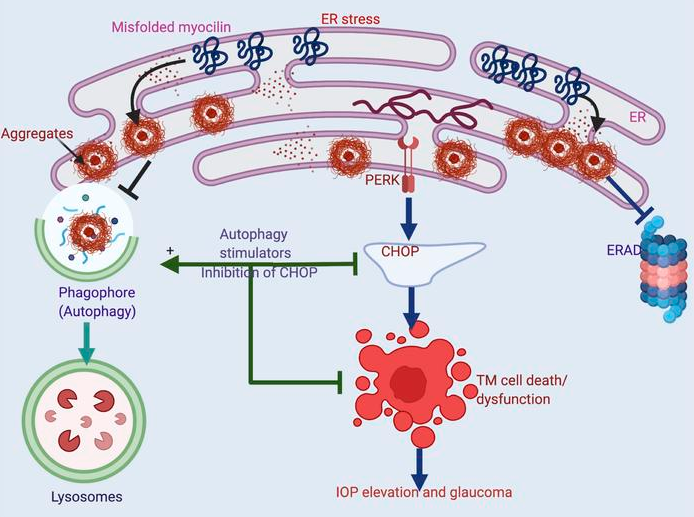
  • Stimulating autophagy

    Stimulating autophagy

    Autophagy stimulation is a key area in longevity and health research. The body has a complex system of regulation of this process, and it can be influenced by both natural and (potentially) pharmacological methods.

    Here are the main mechanisms and factors that stimulate autophagy and improve the functioning of lysosomes.

    1. Energy stress (‘Turning on hunger’)

    This is the most powerful and natural incentive. When a cell doesn’t get enough energy, it turns on a ‘recycling mode’ to get rid of the old one and produce new energy.

    • Potassium starvation: The most effective method. The lack of nutrients (especially amino acids and glucose) leads to a drop in blood levels.:
      • Insulin and IGF-1 (insulin-like growth factor 1).
      • mTOR (target of rapamycin in mammals). mTOR is the main ‘brake’ of autophagy. When its activity is high (with an abundance of food), the cell grows and divides, and autophagy is suppressed. Fasting slows down mTOR, removing this ‘brake’ and triggering autophagy.
      • Activation of AMPK (AMP-activated protein kinase). This is the’ energy level sensor ‘ of the cell. When the level of ATP (the energy currency of the cell) is low, AMPK is activated and involves energy production processes, including autophagy. AMPK directly suppresses mTOR.
    • Interval fasting and diets that mimic fasting: More practiced approaches that give the same effect as prolonged fasting, but in a milder form.

    2. Physical activity

    Physical activity creates moderate stress for muscle cells and other organs.

    • Mechanical damage and oxidative stress: During exercise, damaged proteins and organelles are formed in the cells. This serves as a direct signal for their utilization through autophagy.
    • Energy consumption: Exercise depletes glycogen and ATP stores, which, like fasting, activates AMPK and inhibits mTOR.

    3. Cellular stress

    Any moderate stress can ‘shake up’ the cell and start cleaning processes.

    • Oxidative stress: The formation of reactive oxygen species (ROS) serves as a signal to trigger autophagy.
    • Hypoxia (lack of oxygen): Activates special proteins (HIF) that can induce autophagy.
    • Heat stress: Rising temperatures are also a trigger.

    How to improve the performance and number of lysosomes?

    Stimulating autophagy is only half the battle. It is important that the ‘processing plants’ — lysosomes-work efficiently.

    1. Synthesis of new lysosomes (Lysosomogenesis)

    A cell can increase the number of lysosomes when it realizes that the need for recycling has increased. The main ‘regulator of lysosomes’ — transcription factor EB (TFEB) — is responsible for this process.

    • How is TFEB activated?
      • During starvation and stress, when mTOR is inactive, TFEB moves from the cytoplasm to the nucleus.
      • In the nucleus, it ‘sits’ on genes encoding lysosomal enzymes (cathepsins) and lysosomal membrane proteins themselves.
      • This leads to a massive synthesis of new,’ fresh ‘ lysosomes and enzymes for them.

    Factors that activate TFEB (and hence lysosomogenesis):

    • Same as for autophagy: fasting, exercise, oxidative stress.
    • Some polyphenols, such as curcumin and resveratrol, can also promote TFEB activation.

    2. ‘Rejuvenation’ of existing lysosomes

    For lysosomes to work well, you need to maintain their internal environment.

    • Acidity (pH): Lysosomes require an acidic environment (pH ~4.5-5.0) to activate enzymes. With age and with diseases (for example, neurodegenerative diseases), the pH in lysosomes can increase, and enzymes stop working.
      • What helps? Adequate functioning of the proton pump (V-ATPase), which pumps protons into the lysosome. It requires energy (ATP) and certain lipids to work.
    • Zinc and other cofactors: Some lysosomal enzymes require zinc and other trace elements to function.

    Practical conclusions: what ‘helps’ autophagy and lysosomes?

    StrategyMechanism of action
    Interval fasting (for example, 16/8)Insulin/glucose reduction, mTOR inhibition, AMPK and TFEB activation.
    Regular physical activityEnergy consumption, AMPK activation, direct stress from damage.
    A protein-restricted diet (especially animal-based)Decreased mTOR activity (leucine and other amino acids are powerful mTOR stimulants).
    Consumption of foods rich in polyphenols (green tea, turmeric, berries, red grapes)Antioxidant effect, potential activation of pathways leading to autophagy (sirtuins, TFEB).
    Healthy sleepDuring sleep, brain cleaning processes are activated, including autophagy (glymphatic system).
    Avoiding constant ‘snacking’Constant food intake supports high insulin levels and mTOR activity by suppressing autophagy.

    Important warning: Autophagy is a double-edged sword. Its chronic or excessive activation can be harmful. The ‘more is better’ approach doesn’t work here. Stimulation should be cyclical and moderate (for example, through fasting) to give the cell time to recover.

  • Peptide Cegrilentide (Cagrilintide)

    Peptide Cegrilentide (Cagrilintide)

    Review of the experimental peptide Cegrilentide, a synthetic analog of the hormone amylin as an appetite suppressant for fat burning through two independent pathways.

    2. Specific tips and tricks

    • Reception protocol: One injection per week.
    • Immune attack!Dosage scheme (‘ladder’): Starting from 0.25-0.3 mg, increasing the dose every 4 weeks: 0.5 mg → 1 mg → 1.7 mg → 2.4 mg (therapeutic dose). If necessary, increase to 4.5 mg.

    3. Scientific justifications and claimed effects

    Mechanism of action: It is an agonist of amylin receptors (not GLP-1). Suppresses appetite in two ways:

    1. Homeostatic: Reduces hunger (like GLP-1).
    2. Hedonistic: It blocks the enjoyment of food by affecting dopamine, opioid, and cannabinoid receptors in the brain.

    4. Critical comments

    Drug status: Kegrilentayd is an experimental drug. it has not been approved by any regulatory agency in the world (FDA, EMA) for clinical use. All data are the results of intermediate clinical trials. Its safety during long-term use has not been studied.

    Side effects: Usually only nausea and injection site reactions are mentioned. However, amylin and GLP-1 agonists have serious potential risks: pancreatitis, cholecystitis, diabetic retinopathy, acute renal failure, suicidal thoughts.

    Dangerous tips:

    The advice ‘do not change your diet’ is extremely harmful. The goal of therapy is to develop healthy eating habits, and not just suppress appetite with chemicals.

    Obesity is a complex multi-factorial disease that requires a comprehensive approach (diet, psychotherapy, physical activity, medical treatment under the supervision of a doctor).

    5. Summary and conclusions

    • Dry matter: Kegrilentide is a promising investigational drug that has shown high efficacy in clinical trials in combination with GLP-1 agonists for the treatment of obesity.
  • Iron in the body and Hemosiderin

    Iron in the body and Hemosiderin

    In a living organism, there are practically no ‘free’ metal ions in significant quantities, because they are toxic. In the liver (and other organs), iron accumulates NOT in a free form, but in a bound, non-toxic and bioavailable form.

    Why is free iron dangerous?

    Free iron ions (Fe2⁺ and Fe3⁺) in the cell act as a powerful oxidative stress catalyst (pro-oxidizer). They are involved in the Fenton reaction, during which extremely active and dangerous free radicals are formedthat damage the skin.:

    • Cell membrane lipids
    • Squirrels
    • DNA

    This can lead to cell death and organ failure.

    To prevent this from happening, the body has a special system for storing and transporting iron, where it is always associated with special proteins.

    The main forms of iron storage in the liver

    Iron in the liver is stored in two main protein ‘containers’:

    1. Ferritin (Main storage form)

    It is the main and non-toxic protein depot of iron in our body.

    • Structure: Ferritin is similar to a hollow ball (nanometer ‘safe’), consisting of 24 subunits.
    • Capacity: Up to 4,500 iron atoms can be stored inside this ball in the form of a crystal of the mineral ferrihydrite [(FeO·OH)₈(FeO·H₂PO₄)].
    • Security: In this form, iron is physically isolated from cellular components and cannot participate in dangerous reactions.
    • Bioavailability: When the body needs iron (for example, to synthesize new red blood cells), it can be easily and quickly mobilized from ferritin.

    It is the level of ferritin in the blood that is the main indicator of iron reserves in the body.

    2. Hemosiderin (A form of ‘long-term’ and pathological accumulation)

    • Hemosiderin is a less organized and partially degraded polymer of ferritin and other iron-containing proteins.
    • Properties: It is less soluble, and iron mobilizes from it more slowly than from ferritin.
    • Value: A small amount of hemosiderin is normal. But its significant accumulation is observed during iron overload (hemochromatosis), when storage systems are overflowing. This is already considered a pathological condition that can damage the liver (fibrosis, cirrhosis).

    The process of accumulation in the liver

    Imagine the path of iron:

    1. Suction: Iron is absorbed in the intestines (in the form of ions or heme) and enters the blood.
    2. Transport: In the blood, it binds to the transport protein transferrin. , and there is practically no free iron in the plasma.
    3. Delivery to the liver: Transferrin delivers iron to liver cells (hepatocytes).
    4. Warehouse: In the liver cell, iron is ‘repackaged’ and placed in a ‘safe’ — a ferritin molecule.

    What happens when there is an excess?

    When iron supply chronically exceeds demand, the transferrin and ferritin system becomes overwhelmed.

    • First, the ferritin concentration increases.
    • Then hemosiderin begins to accumulate.
    • When these buffer systems also overflow, the so— called. Labile Iron Pool (LIP) can appear -this is a small pool of weakly bound iron ions in the cell, which is precisely the danger, triggering oxidative stress and tissue damage.

    Total in the form of a table

    Iron FormConditionRole and characteristics
    FerritinBound (in the protein «safe»)The main, safe and bioavailable form of storage. The main indicator of iron reserves.
    HemosiderinBound (in protein aggregate)‘In reserve’ and the pathological form. It accumulates when you are heavily overloaded with iron.
    Labile pool (LIP)Loosely coupled / ‘loose’Dangerous, toxic form. There is always a small amount, but its growth leads to cell damage.
    TransferrinAssociated (with transport protein)A form of transport in the blood from the intestines and liver to the consumer organs.

    Thereis no separate, special enzyme that would ‘decompose’ hemosiderin.

    Instead, the body uses the process of autophagy to process hemosiderin. Let’s look at this in detail.

    What is hemosiderin?

    As we have already mentioned, hemosiderin is an unstable, partially degraded and denatured aggregate of ferritin protein, lipids, heme and other components. It is an insoluble precipitate inside the cell (in lysosomes). This is a ‘defective’ or ‘stale’ iron warehouse.

    How does the body get rid of it?

    The underlying mechanism is an extremely complex cellular process.

    1. Capture of an aggregate (Autophagosome Formation):
      • The cell recognizes the accumulation of hemosiderin as a damaged or unnecessary component.
      • A double membrane structure called an autophagosome is formed around this aggregate. , which is like a ‘garbage bag’ that contains hemosiderin.
    2. Enzymatic Degradation (Lysosomal Degradation):
      • The autophagosome fuses with the lysosome — a cellular organelle that is the’ stomach ‘ of the cell. The lysosome has a very acidic environment (pH ~4.5-5.0) and contains a set of powerful hydrolytic enzymes:
        • Proteases (e.g., cathepsins): break down the protein component of hemosiderin.
        • Lipases: they break down lipid inclusions.
      • Under the influence of this aggressive environment and enzymes, the protein ‘shell’ of hemosiderin is destroyed.
    3. Iron release and recycling:
      • After the protein matrix is destroyed , iron atoms are released inside the lysosome.
      • Special transport proteins (for example, DMT1) ‘remove’ this iron from the lysosome back into the cytoplasm of the cell.
      • In the cytoplasm, this iron can be:
        • Re-packaged in new, functional ferritin.
        • It is used for the synthesis of iron-containing proteins (for example, hemoglobin).
        • Removed from the cell into the bloodstream with the ferroportin protein sothat transferrin can pick it up.

    Why is hemosiderin so ‘persistent’?

    The problem is that hemosiderin is a very dense, almost crystalline aggregate. Its structure makes it less accessible to the action of lysosomal enzymes compared to’ fresh ‘ ferritin. Imagine the difference between a fresh baguette and a dried cracker-the second is much more difficult to digest.

    Because of this density, the process of its processing is slow. If iron enters the body faster than the old hemosiderin has time to be processed, it begins to accumulate.

    What happens in pathology?

    In diseases associated with iron overload (hemochromatosis), or with frequent blood transfusions, the autophagy system can not cope with the volume.

    • Hemosiderin accumulates in the cells of the liver, spleen, and pancreas.
    • Over time, this buildup leads to mechanical damage and oxidative stress (yet a small amount of iron can ‘leak out’), which causes fibrosis (scarring) and organ dysfunction.

    Are there drugs that ‘degrade’ hemosiderin?

    No, there is no pill that specifically breaks down hemosiderin. The main method of treatment for iron overload is bloodletting (phlebotomy) or the use of iron chelators.

    • Chelators (Deferoxamine, Deferasirox): These drugs do not ‘degrade’ hemosiderin. They bind free iron and iron, which is slowly released from ferritin and hemosiderin, forming a complex with it, which is then excreted in the urine and / or feces. They, in fact, ‘help’ the body to remove excess, reducing the overall load.

  • SS-31 Peptide

    SS-31 Peptide

    1. Where is it produced in the body?

    Nowhere.

    This is a critical point that distinguishes SS-31 (Elamipretide) from many other peptides.

    • SS-31 is a synthetic, artificially created peptide. It is not a natural product of any organ or gland for the human body (unlike, for example, insulin, which is produced by the pancreas, or melanotan, which is a synthetic analog of the natural hormone).
    • It was developed in vitro (in the lab) by modifying earlier molecules (SS-02, SS-20) to maximize beneficial effects and minimize side effects (in this case, opioid activity).

    Thus, it cannot be ‘stimulated’ by diet, fasting, or exercise. It can only be administered externally as an injection.


    2. What receptors does it act on? Mechanism of action

    The mechanism of action of SS-31 is its key feature and is fundamentally different from many other substances. : It does not act on classical receptors on the cell surface.

    Instead, it targets mitochondria directly and acts on their internal components.

    Here’s a step-by-step guide to how it works:

    1. Purpose: The inner membrane of mitochondria
    SS-31 has a unique chemical property — it has a positive charge and affinity for the negatively charged inner membrane of mitochondria. , which allows it to freely penetrate through cellular and mitochondrial membranes and accumulate exactly where it is needed.

    2. Molecular target: Cardiolipin
    The main molecule SS-31 binds to is cardiolipin. Cardiolipin is a special type of phospholipid that is found exclusively in the inner membrane of mitochondria in large quantities. It is critical for the functioning of key proteins involved in energy production (the respiratory electron transport chain).

    3. Mechanism of action (What it does on the spot):

    • Stabilization and protection: By binding to cardiolipin, SS-31 stabilizes the structure of the inner mitochondrial membrane. Imagine that it acts as a ‘support’ or ‘clip’ for the most important protein complexes (I, III, IV and V (ATP synthase)) that are located in this membrane and are responsible for the production of ATP (the energy currency of the cell).
    • Reducing oxidative stress: When the respiratory chain is disrupted (mitochondrial dysfunction), electrons ‘leak’ and react with oxygen to form superoxide — a dangerous type of free radical (ROS — reactive oxygen species). By stabilizing the respiratory chain, SS-31 dramatically reduces electron leakage and, consequently, the production of these harmful free radicals. This is its powerful antioxidant effect.
    • Prevention of apoptosis (cell death): A high level of oxidative stress is a signal to trigger a program of cell death (apoptosis). By reducing this stress, SS-31 helps maintain cell viability in damaged conditions (which is especially important for neurons in Alzheimer’s disease or heart cells after a heart attack).
    • Restoring the function: By comprehensively stabilizing the membrane, improving the production of ATP and reducing ROS, the peptide restores the normal function of mitochondria. , which leads to an improvement in the energy supply of the cell and, as a result, to an improvement in the function of the entire organ (brain, heart, muscles, liver).

    Brief diagram of the mechanism of action:

    SS-31 → Penetrates mitochondria → Binds to cardiolipin on the inner membrane → Stabilizes respiratory chain protein complexes → Improves ATP + production Reduces electron leakage and free radical formation → Protects cells from damage and death → Restores the function of the tissue / organ.

    Thank you for the file you provided! This is a very typical example of biohacking and anti-age content. I have studied the text and am ready to give my analysis, structured as we discussed.

    • Dosage: 4 mg per day subcutaneously.
    • Course: 8 weeks.
    • Breeding: A 50 mg bottle is diluted in 2.5 ml of bacteriostatic or water for injection.
    • Application: Take 20 units daily in a U-100 insulin syringe.
    • Storage: Peptides should be stored in the refrigerator.

    3. Scientific justifications and claimed effects

    Main action: Restoration of mitochondrial function by protecting their inner membrane.

    • Reducing oxidative stress: Reducing the formation of harmful free radicals.
    • Anti-inflammatory effect: Reduced production of pro-inflammatory cytokines.
    • Neuroprotection: Reduction of cell death in Alzheimer’s disease, reduction of beta-amyloid activity, reduction of neuroinflammation, protection from the consequences of traumatic brain injury (and alcohol intoxication).
    • Organ protection: Protecting the liver and lungs from damage.
    • Human research: A study on patients with mitochondrial myopathy was mentioned, where the peptide group showed an improvement in the 6-minute walking test (+64 m vs. +20 m in the placebo group).
    • Activating longevity: An increase in the level of sirtuin 1 (SIRT1), the ‘longevity enzyme’, has been reported.

    This requires serious critical analysis

    1. Research status: The SS-31 peptide (also known as Bendavia, Elamipretide) has indeed been under investigation since the 2000s, but almost all studies are in the human phase II and III clinical stages. . It is NOT an approved drug for widespread use in any country in the world (except for orphan prescriptions for primary mitochondrial myopathy). Its effectiveness and safety in long-term use in healthy people have not been studied.
    2. Security (risk profile): with prolonged use of unknown substances, the risks can be serious (autoimmune reactions, long-term effects on cellular processes).

    5. Summary and conclusions

    • Dry matter: SS-31 is a promising experimental compound for the treatment of diseases associated with mitochondrial dysfunction (Alzheimer’s disease, myopathies, consequences of injuries). Its study continues.

    SS-31 is neither a hormone nor a signal peptide. It is a mitochondrial-directed antioxidant and cardiolipin-targeted protector. Its mechanism is fundamental and is aimed at correcting the very basis of cellular energy, which explains its potentially wide range of applications in a variety of diseases united by a common feature — mitochondrial dysfunction. .However, as mentioned earlier, its use in healthy people remains purely experimental and ambiguous.